About the Project
Neuroscience in your hands.
NeuroPrint was built on a simple premise: if you can hold something, you understand it better. We bridge the physical and digital to make the brain accessible to everyone.
Our Mission
Why we built this
This project integrates neuroscience and modern physical technology to develop a custom 3D-printed, tactile brain model designed to enhance understanding of the human brain's structure and function.
Each major brain region features a scannable smart node linked to a dedicated page, providing users with clear descriptions, interactive diagrams, and targeted exercises on that region's role in cognition, behavior, and movement.
The pairing of a physical model with a printed region card is a deliberate one. Handling the model draws on embodied cognition, where engaging the motor and sensory systems strengthens how spatial structures are encoded in memory, while pairing that tactile experience with a concise written card reflects dual-coding theory: information taken in visually and verbally at once is retained far better than either alone. Each card keeps to one short idea per region to respect the limits of working memory, and the smart node then layers in deeper study only when a learner is ready for it.
By combining hands-on physical assembly with digital learning tools, NeuroPrint makes complex neurological concepts accessible and engaging for students, educators, patients, and curious minds everywhere.
The project highlights the intersection of biology and engineering, showing how multidisciplinary thinking can transform how we teach and learn science.
Design Principles
Built around how people actually learn
Physical models create stronger memory encoding than diagrams alone. Holding a structure helps you understand its spatial relationships.
Every region offers two levels of explanation: one for curious beginners, one for students with more scientific background. Nobody is left behind.
Free to scan. No app required. Works on any smartphone. Designed for classrooms, hospitals, libraries, and homes.
Interactive quizzes and cognitive games reinforce learning after each region, turning passive reading into active understanding.
The Team
Meet the founder
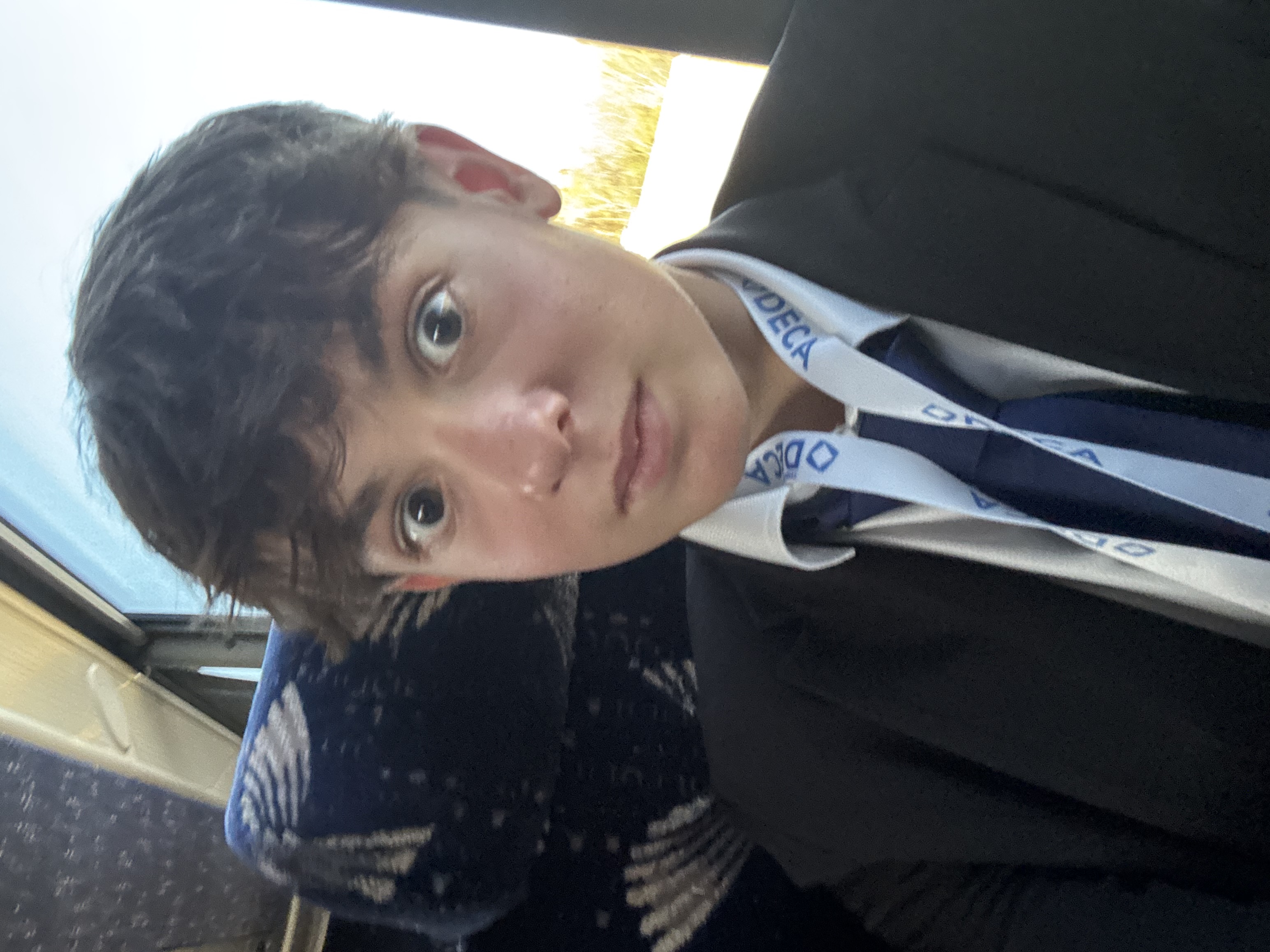
Shaun Hafez
Founder & Project Lead
Pioneering hands-on, high-fidelity neuroscience learning for K–12 classrooms and university programs. Shaun designed NeuroPrint to make professional-grade anatomical tools accessible to every student, regardless of background or resources.